
Protecting Seniors and Yourself from Poor Air Quality: Essential Tips during Forest Fire Events
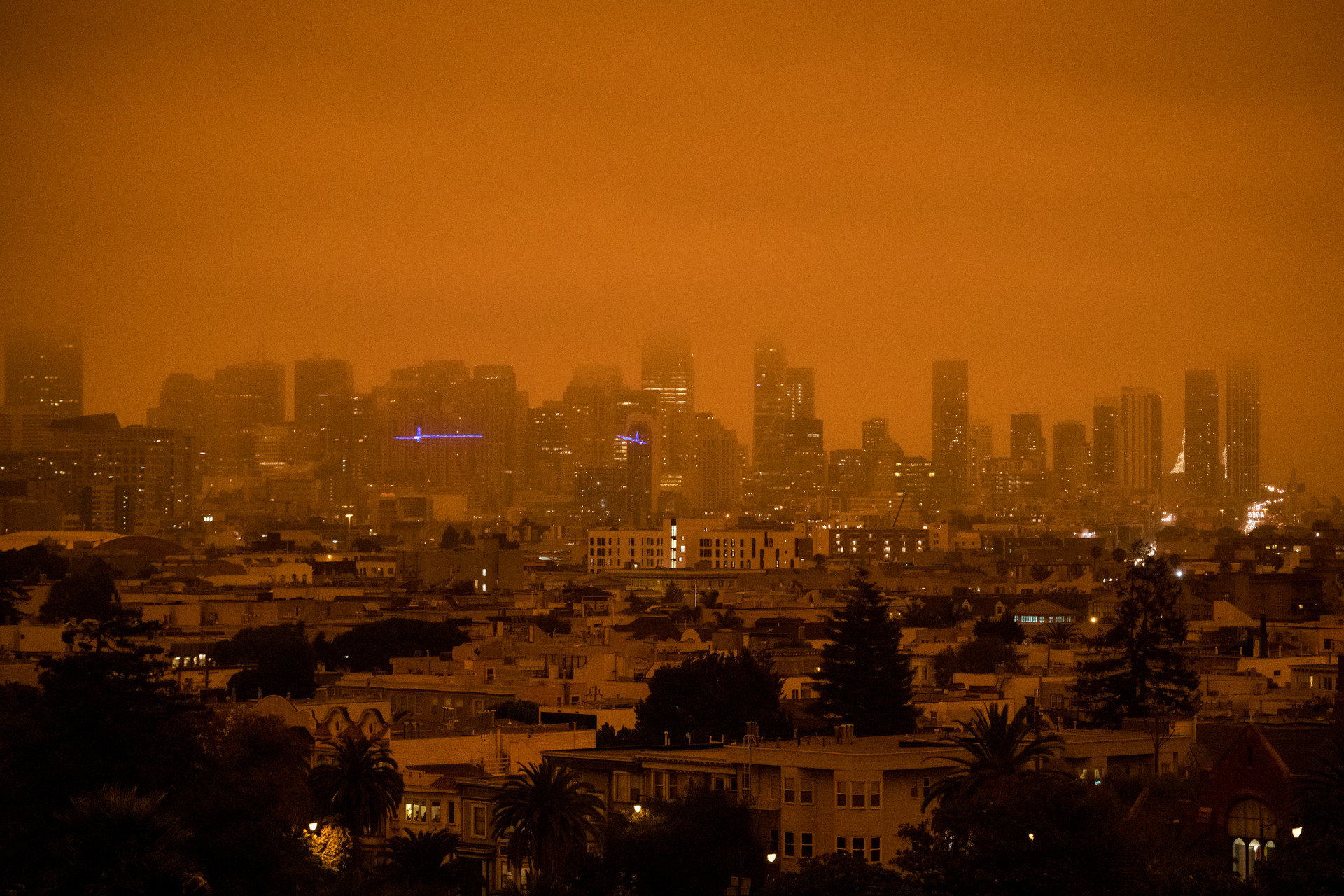
Forest fires can have far-reaching effects, even beyond the immediate vicinity. As witnessed in the recent Canadian forest fire, the resulting smoke and pollutants can significantly impact air quality, posing health risks, especially to vulnerable populations such as seniors. In this article, we will explore practical ways to protect both seniors and yourself from the detrimental effects of poor air quality during forest fire events. By following these tips, you can help minimize the potential health consequences and ensure the well-being of your loved ones.
Stay Informed:
Monitor air quality reports and stay updated on the latest information about the forest fire and its impact on your area. Local authorities and environmental agencies often provide real-time air quality indexes (AQIs) that categorize the level of air pollution. Pay attention to health advisories and recommendations, adjusting your activities accordingly.
Create a Safe Indoor Environment:
Keep indoor air as clean as possible by ensuring that windows and doors are properly sealed to prevent outside pollutants from entering. Use air purifiers equipped with HEPA filters to remove fine particles from the air. Consider creating a designated “clean room” where seniors can seek refuge when air quality is particularly poor.
Limit Outdoor Activities:
During times of hazardous air quality, it is crucial to reduce exposure to outdoor pollutants. Encourage seniors to stay indoors and limit physical activities that may increase their breathing rate. If outdoor activities are necessary, schedule them during times when air quality is relatively better, such as early mornings or late evenings.
Use N95 Masks:
When stepping outside, especially in areas with severe air pollution, wear a properly fitted N95 mask to filter out harmful particles. Ensure that the mask is sealed tightly around the nose and mouth, providing adequate protection against fine particulate matter. Remember to check the mask’s integrity and replace it regularly to maintain its effectiveness.
Maintain Indoor Air Quality:
Ensure proper ventilation indoors by using air conditioning systems or fans with appropriate filters. Avoid activities that can introduce additional pollutants into the air, such as smoking or using harsh chemical cleaners. Keep indoor humidity levels balanced to prevent the growth of mold and other allergens that can further compromise air quality.
Stay Hydrated:
Drinking an adequate amount of water helps keep the respiratory system functioning optimally and can mitigate the effects of poor air quality. Encourage seniors to stay hydrated throughout the day, even if they do not feel thirsty. Offer water-rich foods such as fruits and vegetables to supplement their fluid intake.
Seek Medical Advice:
If seniors experience respiratory symptoms such as coughing, wheezing, or shortness of breath, it is essential to seek medical advice promptly. Physicians can provide personalized recommendations and prescribe appropriate medications to manage respiratory conditions exacerbated by poor air quality.
Maintain a Healthy Lifestyle:
A strong immune system is crucial for combating the effects of poor air quality. Encourage seniors to maintain a healthy lifestyle by consuming nutritious meals, engaging in regular physical activity indoors, and getting enough sleep. A well-nourished body is better equipped to handle environmental stressors.
Conclusion:
During forest fire events and episodes of poor air quality, protecting seniors and yourself becomes paramount. By staying informed, creating a safe indoor environment, limiting outdoor activities, using N95 masks, maintaining indoor air quality, staying hydrated, seeking medical advice when necessary, and maintaining a healthy lifestyle, you can significantly reduce the health risks associated with polluted air. Remember, the well-being of our loved ones is in our hands, and by taking proactive measures, we can ensure their safety and promote better respiratory health during challenging times.
It’s essential to follow official guidelines and recommendations provided by local health authorities and environmental agencies during forest fire events to ensure the utmost safety